
Sensory transduction
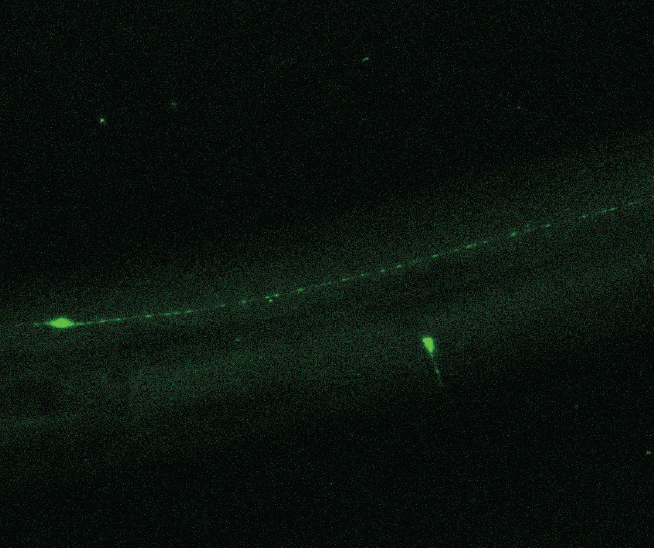
Organisms sense and interact with their environment through the perception of external stimuli such as light, sound, pressure, and chemicals. Specialized sensory cells detect these stimuli and convert them into an electrical signal that is relayed to the central nervous system. We use C. elegans as a model system to study the structure and function of sensory transduction signaling complexes, using techniques such as cryo-electron microscopy, TIRF microscopy, and patch clamp electrophysiology.
Lipid transport
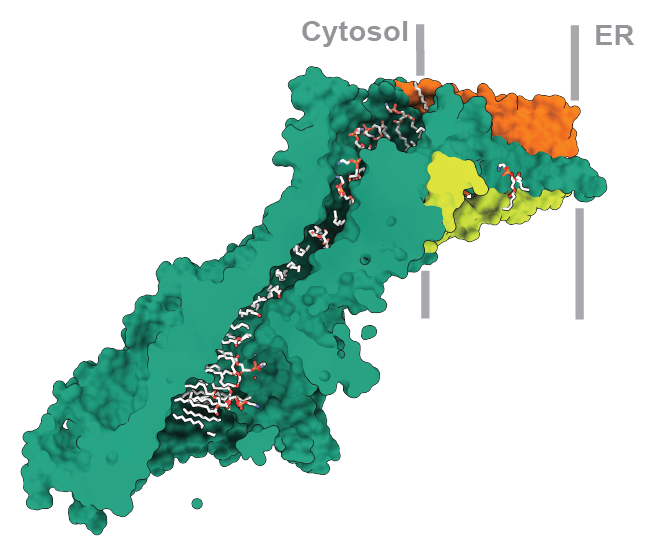
The majority of cellular lipids are synthesized in the endoplasmic reticulum (ER) and moved to different organelles via non-vesicular and vesicular trafficking. Bridge-like lipid transport proteins (BLTPs) are a newly discovered class of non-vesicular lipid transporters that are thought to form a bridge between membranes at organelle-membrane contact sites, essentially acting as ‘lipid firehoses’. To study the molecular mechanism of BLTP-mediated lipid transport, we combine structural, biochemical, and functional studies of native BLTPs.
 the-clark-lab.com